
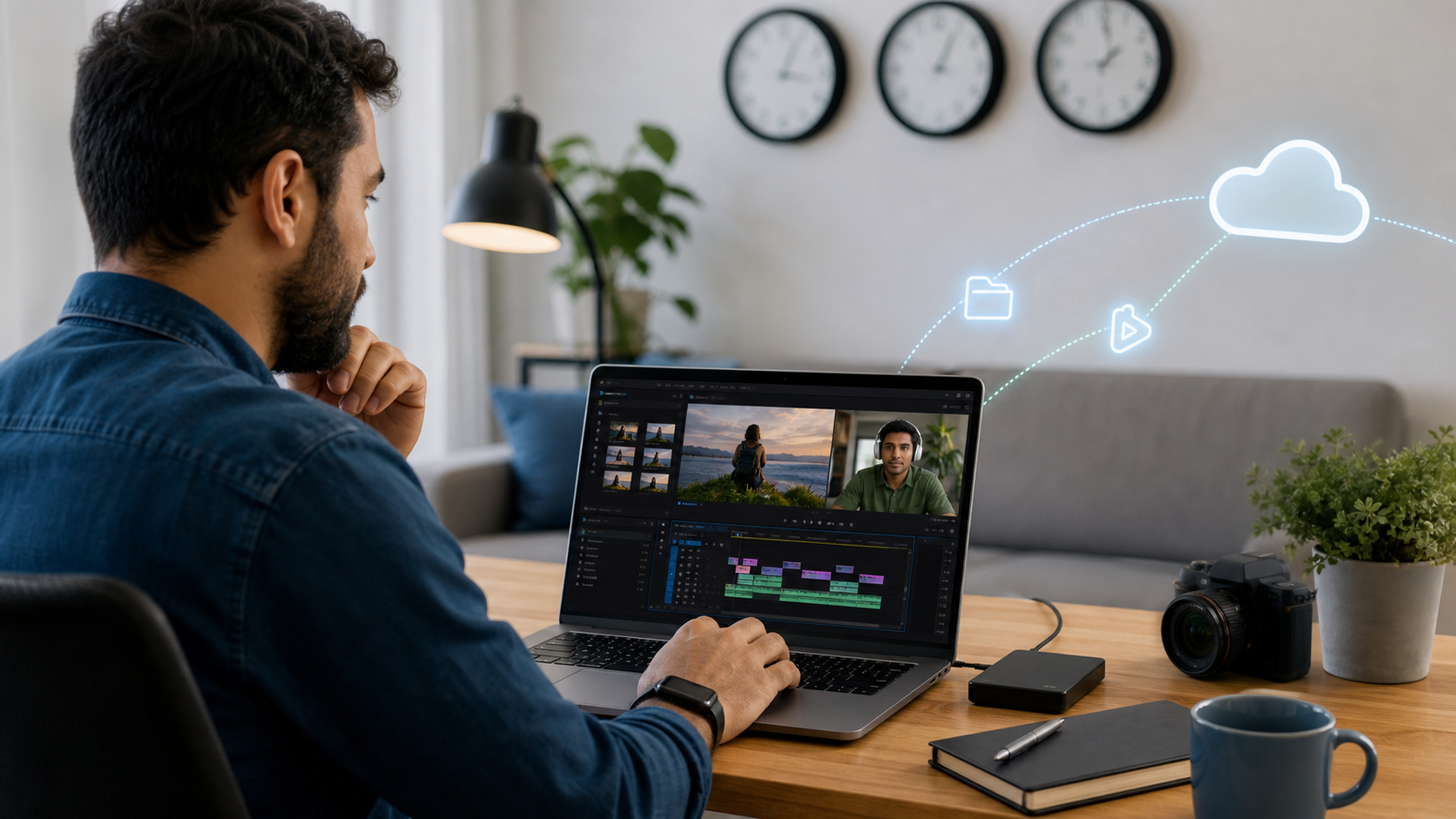
Video backlogs pile up quietly. A founder records five podcasts, a marketing team shoots a month of product clips, a creator films three days of footage, and then everything waits on the edit.
That is why many US teams look to outsource video editing overseas, especially to Pakistan. The draw is simple: more editing capacity, strong English communication, and a production rhythm that can keep content moving while your US team sleeps. The risk is also real. Bad briefs, loose file access, unclear rights, and weak quality control can turn a smart hiring decision into a mess.
This buyer-focused article explains how to judge overseas editing without using generic promises. It covers budget fit, editing quality, footage safety, Pakistan-based workflows, time zone planning, and the trial process that separates a dependable editor from a risky one.
Should US Teams Outsource Video Editing Overseas?
US businesses should outsource video editing overseas when they have repeatable content, clear brand standards, and enough footage volume to keep an editor busy. Offshore editing works best for YouTube channels, podcasts, short-form campaigns, paid ads, real estate walkthroughs, product videos, and corporate content that follows a known format.
For teams still defining the workflow, Synergy Creations Digital’s breakdown on how to outsource video editing gives a useful starting point for briefing, review cycles, and handoff steps.
Why Pakistan Shows Up on US Shortlists
Pakistan has become a practical option for US buyers because it combines a large creative freelance market, strong familiarity with Western social platforms, and workday overlap with US mornings or evenings depending on the schedule. Many editors there work daily on YouTube videos, reels, podcasts, ads, explainers, and creator-led content.
The country alone does not prove quality. Judge the editor or agency by the same standards you would apply at home: portfolio relevance, response time, revision discipline, file handling, creative judgment, and how well they follow a brief. For many buyers, an agency setup gives more backup than one freelancer. Synergy’s comparison of a video editing agency vs freelancer can help you decide which model fits your workload.
Quality Lives in the Process, Not the Country
A great offshore editor asks specific questions before touching the footage. They want the audience, platform, runtime, hook style, subtitles, music direction, color notes, brand examples, and deadline. Weak editors say yes to everything, then guess.
Quality control starts before the first cut. Give your editor a short creative packet with:
- Three examples of videos you like and why they work.
- One example you dislike, with the reason stated plainly.
- Brand assets, fonts, intro/outro rules, and caption preferences.
- Platform specs for YouTube, TikTok, LinkedIn, Instagram, or paid ads.
- A clear revision limit and the person who gives final approval.
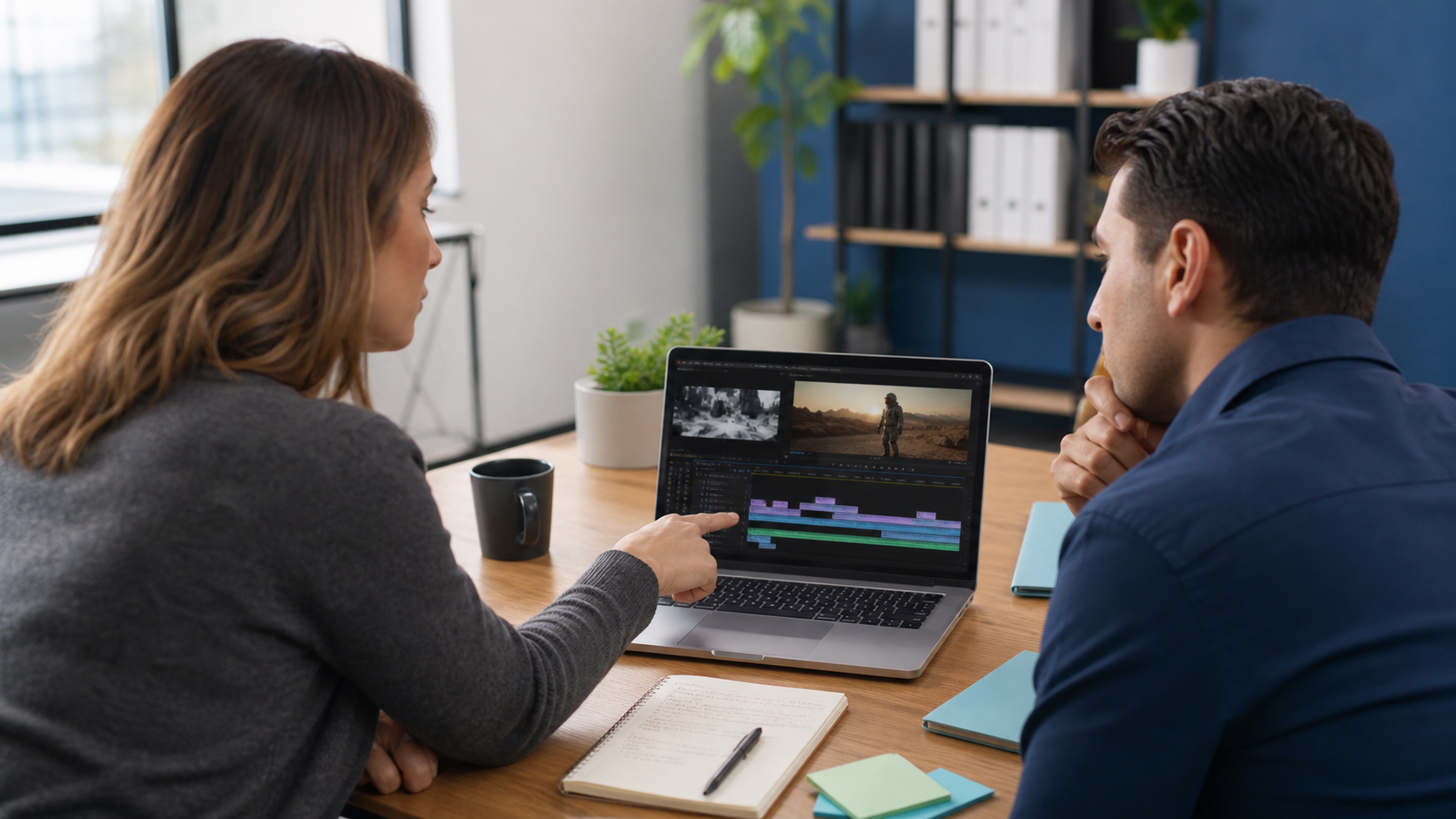
Different formats need different instincts. Short-form video editing depends on hooks, pacing, captions, and retention. Corporate video editing needs clean structure, brand restraint, and a polished finish. UGC video editing often wins with natural pacing and believable cuts instead of overproduced effects.
How to Keep Footage Safe With an Offshore Editor
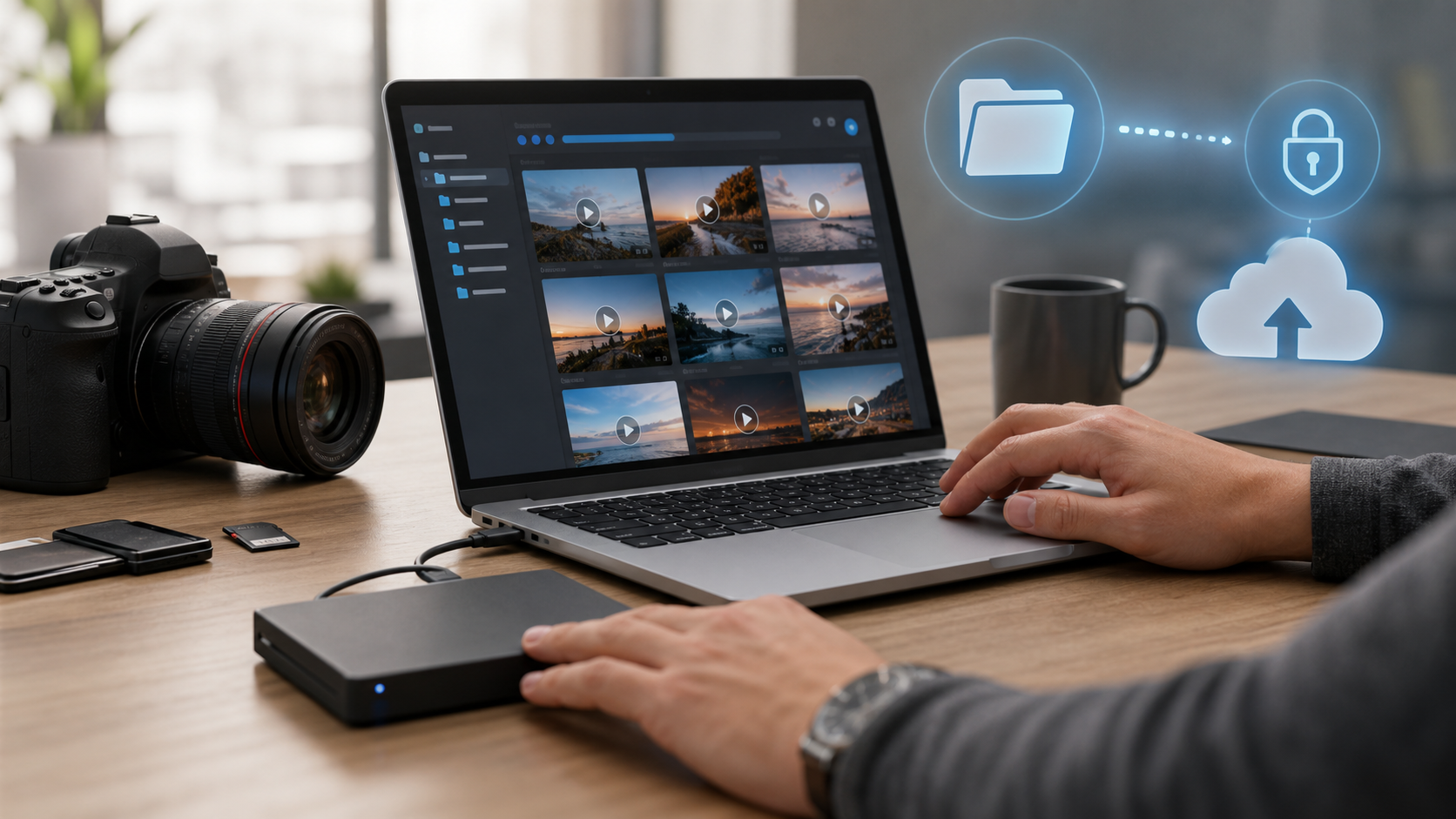
Your footage is safe with an offshore editor when access is limited, contracts are clear, transfers use trusted tools, and the editor follows written file-handling rules. Treat video files like business assets, especially when footage includes customers, staff, product launches, unreleased ads, private events, or internal meetings.
Start with a written agreement that covers confidentiality, usage rights, ownership of project files, portfolio permission, AI tool use, deletion timelines, and where files can be stored. For US clients, rights language deserves extra care. The US Copyright Office work-made-for-hire circular explains why written terms matter when independent contractors create creative work.
Security also needs a workflow. The FTC’s cybersecurity guidance for small businesses recommends strong standards for vendors with remote access. The FTC data security guide also tells businesses to know what information they hold, keep only what they need, protect it, dispose of it properly, and plan for incidents.
A practical file safety checklist
- Share only the files needed for the assignment.
- Use cloud folders with role-based access, not public links.
- Require two-factor authentication for shared workspaces.
- Watermark sensitive rough cuts when needed.
- Remove access after delivery and approval.
- Keep raw footage backups on your own storage.
- Ban public portfolio use unless you approve it in writing.
Synergy’s privacy policy is also worth reviewing before you share sensitive production material with any vendor.
Timezone Difference Can Speed Up Review Cycles
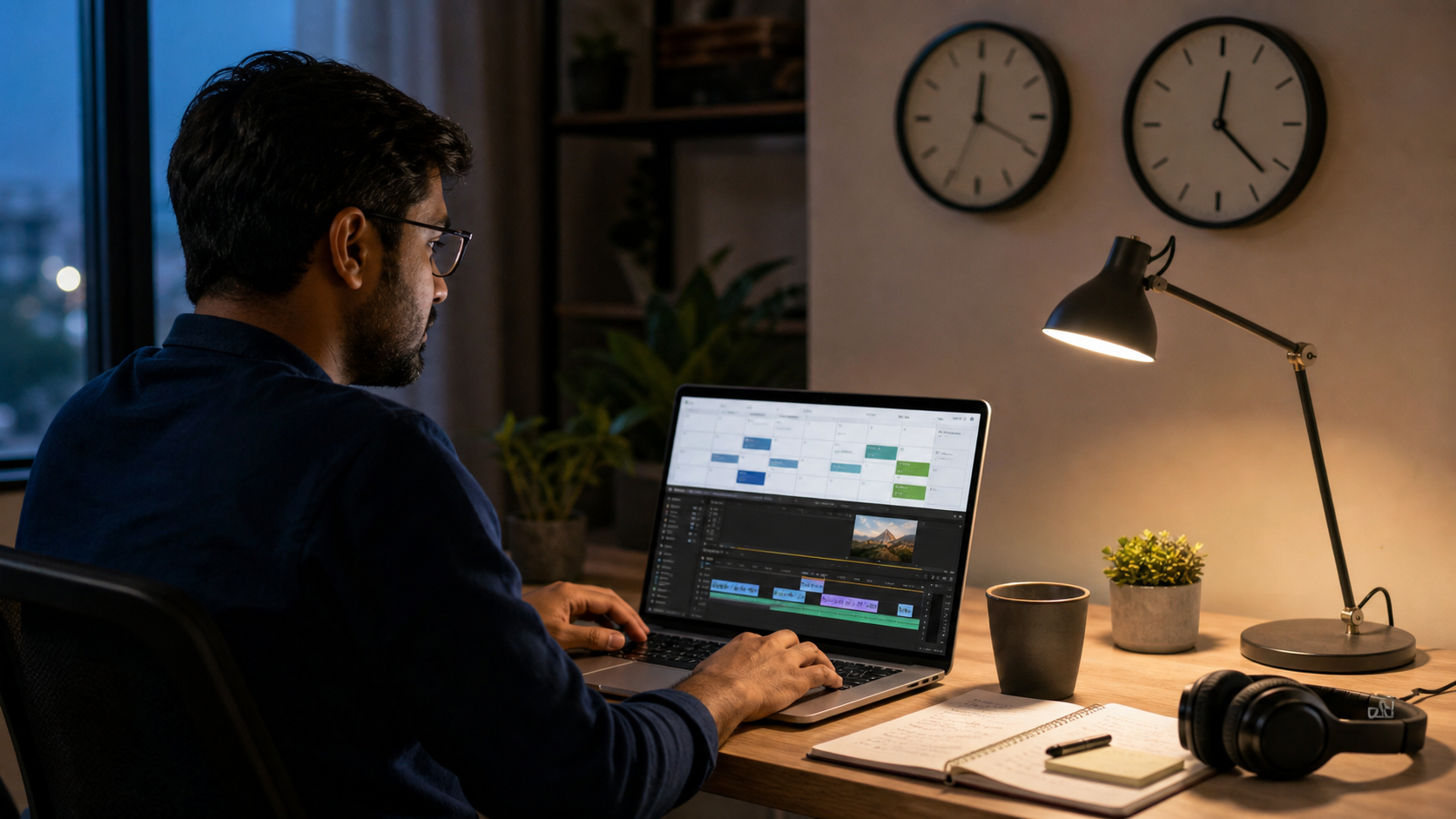
The US-to-Pakistan time difference can work in your favor when the workflow is planned. Many US clients send footage or feedback before the end of their workday, then wake up to a rough cut, revision, or finished export from the overseas editor.
This rhythm works best with two fixed handoff windows. For example, your US team can upload footage and notes in the afternoon. The editor reviews, cuts, and sends a version overnight. Your team reviews in the morning, records feedback, and the next revision moves forward during the editor’s evening.
Do not rely on scattered chat messages. Use one project board, one feedback method, and one final approval owner. Frame.io, Google Drive comments, Loom, Notion, ClickUp, Trello, and Slack can all work if your team uses them with discipline.
For YouTube channels, this setup can support recurring production calendars. If your channel depends on thumbnails, titles, descriptions, and edits working together, Synergy’s YouTube automation and video editing page shows how a broader content system can support regular publishing.
A Trial Edit Tells You More Than a Portfolio
Before committing to an offshore editor, test the exact work you plan to send every week. A trial edit should be short enough to review quickly but real enough to expose workflow issues. Avoid fake sample projects that do not match your actual content.
Use a scorecard. Rate the editor on brief accuracy, story structure, pacing, caption quality, audio cleanup, color treatment, export settings, file naming, and revision response. Then ask one simple question: would this person make your content calendar easier to run?
A good trial also checks communication. Notice whether the editor asks smart questions, flags missing files, names risks early, and explains choices without getting defensive. Editing skill matters. So does the ability to work with your team for months without creating daily friction.
Outsource Video Editing Overseas Without Losing Brand Control
You can outsource video editing overseas without losing control when you document your standards and review work in stages. Brand control comes from clear examples, repeatable templates, naming rules, feedback habits, and final approval rights.
Create a brand editing kit before you scale. Include lower thirds, logo files, approved music sources, color references, caption style, sponsor placement rules, and banned editing choices.
Teams that produce regular ads should link the editor to examples of strong campaign work. Synergy’s product ads editing service page and VSL video sales letter editing page show the kinds of direct-response formats where small editing choices can affect viewer behavior.
Buyer Takeaways for US Teams
Outsourcing video editing to Pakistan works best when you treat it as a production partnership, not a random task handoff. The strongest results come from a tight brief, safe file access, a paid test edit, and a review process that respects the time difference.
| Decision Area | What to Check | Why It Helps |
|---|---|---|
| Fit | Recurring footage, clear formats, steady publishing needs | Gives the editor enough pattern to improve over time |
| Quality | Trial edit, revision behavior, platform knowledge | Shows how the editor handles real footage |
| Safety | NDA, limited access, two-factor authentication, deletion terms | Protects footage, customer data, and unreleased material |
| Workflow | Fixed handoff windows and one feedback channel | Turns the time difference into a production advantage |
| Ownership | Written rights terms and project file access | Prevents disputes after the video is delivered |
If you want to see whether the editing style matches your brand before committing, review Synergy’s video editing portfolio and compare it against the formats you publish most often.
Final Thoughts
Offshore editing can be a smart move for US businesses and creators who need more output without building a full internal post-production team. Pakistan is worth a close look when you want strong communication, flexible capacity, and editors who already understand social, YouTube, ad, and business video formats.
The safest path is simple: start with a paid trial, protect your files, document your brand rules, and judge the editor by how well they improve your weekly publishing rhythm. When you are ready to test a workflow, contact Synergy Creations Digital with your footage type, platform, and publishing schedule.
Frequently Asked Questions
Is it cheaper to outsource video editing overseas?
It is often more budget-friendly because overseas teams may have lower operating overhead than US-based teams. The better question is whether the editor can protect your time, meet your quality bar, and reduce missed publishing deadlines.
Is my footage safe with an offshore editor?
Your footage can be safe if you use written agreements, limited cloud access, two-factor authentication, private transfer links, and clear deletion rules. Never share full drives or public links when the editor only needs selected footage.
How does the timezone difference work for US clients?
The US-to-Pakistan time difference can support an overnight editing cycle. US teams send footage or feedback near the end of the workday, and the editor can return a cut or revision before the next US morning review.
How do I check quality before committing?
Use a paid trial edit with your own footage. Score the editor on pacing, story flow, captions, audio, color, export settings, revision behavior, and how closely they follow your brief.
Should I hire a freelance editor or an overseas agency?
A freelancer can work well for a narrow, steady workload. An agency is often better when you need backup editors, multiple formats, faster turnaround, project management, or support across YouTube, ads, shorts, and corporate content.
What should I include in my editing brief?
Include the audience, platform, runtime, sample videos, brand assets, caption style, music notes, export specs, deadline, and revision process. Add one named approval owner so feedback does not conflict.
Can I outsource editing for sensitive business footage?
Yes, but use stricter controls. Share only selected files, require confidentiality terms, restrict folder access, watermark rough cuts if needed, and confirm whether the editor can use the work in a portfolio.